
![SYNTHESIS [2026] in light blue text.](https://irp.cdn-website.com/f969fb45/dms3rep/multi/opt/TB_Horizontal_White-b3af8ef2-1920w.png)

No organization is immune to mistakes: a missed deadline, a product failure, a communication misstep. These moments happen, even in very well-run companies.
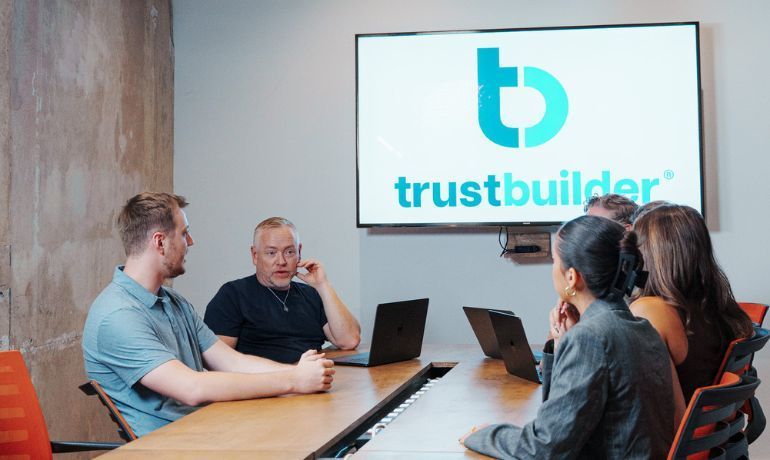
In an increasingly competitive market, business consultants and coaches are constantly searching for ways to stand out, deliver deeper value, and create lasting impact for their clients.
In this profession, technical expertise and experience are no longer enough.

By TB Labs • June 10, 2026 Political conversation may feel unavoidable right now. Social issues move quickly, public tension runs high, and many employees bring real convictions with them into the workplace. But that does not mean every workplace is prepared to hold those conversations well. Our recent Trust in Political Conversation Survey found a sharp split between general trust and workplace appropriateness. Most respondents said a person can be politically outspoken and still be trustworthy. At the same time, only a minority said political conversation is okay at work. That gap is worth paying attention to. It suggests that many people do not view politics at work as a simple expression issue. They view it as a trust-risk issue. 1. Work changes the stakes In personal life, people can usually choose the timing, depth, and boundaries of a political conversation. At work, that freedom is limited. Colleagues share responsibilities, depend on each other, and often cannot easily step away. Power dynamics also complicate the conversation. A comment from a peer lands differently than a comment from a manager or executive. That is one reason many respondents were cautious about politics at work even though they were more open to political outspokenness in general. Workplace conversations carry operational consequences. People are not only asking, “Do I agree?” They are asking, “Can I still collaborate with this person? Can I trust their judgment? Will this make work harder, more tense, or less safe?” In other words, the workplace turns political conversation into something more consequential than opinion-sharing. 2. The biggest risk is not disagreement. It is bad conduct. The broader survey helps explain why people are uneasy about politics at work. Trust dropped most clearly around extremity, hostility, and combative tone. Respondents consistently emphasized respect, openness, listening, humility, and fair-mindedness as the traits that preserve trust. That means the question for workplaces is not simply whether politics should ever come up. The better question is whether the environment has the norms to handle difficult disagreement without damaging trust. If an organization has weak norms around listening, psychological safety, or respectful conflict, politics will expose that weakness quickly. 3. Silence is not always the same thing as trust Some organizations try to solve the problem by avoiding anything political altogether. In some settings, that may be the right boundary. But leaders should be careful not to confuse silence with health. A team can avoid political conversation and still have low trust. People may simply be self-protective. They may be reading the room, avoiding risk, and withholding candor because they do not believe disagreement will be handled well. Healthy workplaces do not always talk politics. But they do have a culture where people know how to disagree without becoming destructive. That capability matters whether the topic is public policy, organizational change, compensation, strategy, or values. 4. Leaders need norms before they need permission If political conversation is likely to surface in your workplace, the first leadership task is not to endorse or ban every discussion. It is to define the behavioral standard. What does respectful disagreement look like here? What happens when a conversation becomes personal, derailing, or hostile? How should managers redirect if an issue is creating division or fear? Without those norms, people will interpret political comments through the lens of power and risk. With them, employees at least know the organization values fairness, restraint, and respect over spectacle. This is especially important for leaders. Their words do not land as neutral observations. They shape climate. 5. Trust is the right lens for deciding what to do Organizations often ask whether politics belongs at work as if the issue were purely moral or cultural. The data point to a more practical question: what effect is this having on trust? If a conversation strengthens mutual respect, improves understanding, and preserves people’s ability to work together, that is a different situation from one that creates fear, distance, or factionalism. The same topic can produce very different outcomes depending on how it is handled. That is why trust is such a useful measurement lens. It helps leaders move beyond abstract debates and focus on what is actually happening inside the team. Trust can be measured - and built The takeaway from this study is not that political conversation is always wrong at work. It is that workplaces should treat it as a higher-risk context that requires stronger norms than many leaders assume. Most people in our sample were open to the idea that someone can be politically outspoken and still be trustworthy. But they were far more cautious about bringing those conversations into the workplace. That caution makes sense. Work is a shared environment, and trust is one of its most important operating conditions. If your organization wants to understand whether difficult conversations are strengthening trust or weakening it, TrustBuilder can help you measure the patterns clearly and build the norms needed to protect collaboration, performance, and psychological safety.

By TB Labs • June 10, 2026 Political conversation has a way of revealing more than opinion. It reveals tone, self-control, openness, and how a person handles disagreement. That is what makes it such a powerful trust test. In our recent Trust in Political Conversation Survey, the central finding was clear: talking about politics does not automatically make someone seem less trustworthy. What changes trust is how that conversation is handled. Respect, openness, and fairness build credibility. Extremity, hostility, and contempt erode it quickly. That matters because many people assume political disagreement itself is the main issue. Our data suggest otherwise. The larger issue is whether political conversation signals maturity or social risk. 1. Political outspokenness is not the problem One of the strongest findings in the survey was that most respondents do not believe political outspokenness automatically cancels trust. In fact, a large majority said a person can be politically outspoken and still be highly trustworthy. That is an important distinction. People are not necessarily looking for silence, neutrality, or the absence of conviction. Many are willing to trust someone who has strong views if that person communicates with steadiness and respect. In other words, trust is not lost simply because someone is willing to speak. It is lost when the way they speak suggests arrogance, hostility, or disregard for others. 2. Tone breaks trust faster than ideology When respondents were asked about what lowers trust, the clearest pattern involved style, not just substance. Extreme political views were one of the strongest trust-reducing signals. Combative political talk also stood out clearly. Those two responses moved together strongly in the data, which suggests that people often experience extremity and aggression as part of the same broader trust problem. This finding is practical. In everyday life, people are often making quick trust judgments based on whether someone sounds dismissive, mocking, rigid, or eager to dominate the conversation. The issue is not simply whether a person disagrees. The issue is whether that disagreement feels unsafe, unfair, or performative. That is one reason political conversations can shift a relationship quickly. The conversation becomes a real-time signal of character. 3. Respect matters more than alignment Perhaps the most important insight in the survey came from the rank-order question. When people had to prioritize what mattered most in political conversation, respect and openness came first by a wide margin. Alignment still mattered for some respondents, but it did not win. This is a helpful corrective for anyone who assumes trust is mostly tribal. Agreement can create warmth. But respect creates safety. And safety is what makes trust durable when disagreement shows up. That is why respectful disagreement is such a useful test. A person who can hold a strong opinion while remaining curious, fair-minded, and measured often appears more trustworthy than someone who simply shares the same views but communicates with contempt. 4. Political conversation affects who people move toward or away from The survey also showed that trust judgments do not stay abstract. They influence social distance. Many respondents said they are less likely to move closer to people who talk about politics in a way they dislike. Others said political conversation had increased or decreased trust in someone directly. That means political behavior can shape who people see as safe, credible, or worth investing in. It affects who they open up to, who they avoid, and who feels like a relational risk. That pattern is especially important for leaders, teams, and communities. If political conversation repeatedly signals disrespect, the result is not just tension. It is withdrawal. 5. Trust can still grow through political disagreement There is a hopeful side to the data. Political conversation is not only a place where trust breaks. It can also be a place where trust grows. Respondents repeatedly used words like listening, openness, curiosity, humility, and evidence when describing what makes someone more trustworthy in these conversations. That means disagreement does not have to be corrosive. In the right conditions, it can actually reveal integrity. People notice when someone can explain their beliefs without becoming hostile. They notice when someone is informed without becoming self-righteous. They notice when someone treats disagreement as something to navigate rather than something to punish. Trust grows when political conversation communicates, “I can disagree with you without demeaning you.” Trust can be measured - and built If you want to understand whether political conversation is strengthening trust or undermining it in your organization, team, or community, do not start by asking whether people have opinions. Start by asking what those conversations reveal about respect, openness, fairness, and self-control. The key lesson from this study is simple: talking about politics does not inherently make someone less trustworthy. But talking about politics in an extreme, combative, or contemptuous way often does. Trust is shaped less by the fact of disagreement than by the conduct of disagreement. That is good news, because conduct can be measured, taught, and improved. If your organization wants a clearer picture of where trust is strong, where it is fragile, and how to strengthen it, TrustBuilder can help.

Why trust plays a significant role in employee engagement and retention
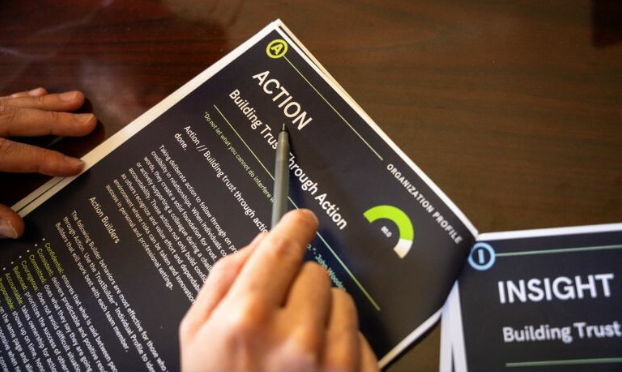
Trust between colleagues, between management and personnel, and among teams is not just a value for your organization; it’s a multiplier. It influences how people communicate, collaborate, and make decisions across every facet of operations. At TrustBuilder , we believe trust is the key to peak performance of any organization. That’s why we focus on identifying and strengthening trust at the individual level so organizations can unlock its full impact in the moments that matter most. Trust is always important in relationships, but there are specific situations in which it becomes especially critical. These are the moments where organizations either gain momentum—or lose it. Here are six key opportunities where we believe the TrustBuilder approach can be applied for maximum impact. 1. Change & Uncertainty Trust can turn uncertainty into clarity. When organizations go through change, employees naturally look for signals: What does this mean for me? Can I rely on leadership? Is there a clear direction? When trust is present, people don’t just hear about change; they understand it, engage with it, and move with it. Instead of questioning motives or resisting direction, teams align around a shared purpose. Communication becomes more effective, and uncertainty is replaced with focus and forward motion. However, without trust, change creates confusion, fear, and hesitation. Trust is the driver that will determine whether change or uncertainty results in momentum or paralysis. 2. Leadership Development Trust is what turns leadership into influence. Leadership is not defined by title; it’s defined by impact. Leaders who are trusted don’t have to rely solely on authority; people choose to follow them because they trust that where they are being led is worth the effort. This creates stronger buy-in, clearer communication, and more consistent execution. The TrustBuilder approach helps leaders understand what drives trust for each individual on their team. By aligning leadership behaviors with those expectations, leaders build deeper credibility and stronger relationships. Without trust, leadership feels like pressure; when trust is present, it feels like guidance. 3. Team Alignment & Collaboration Trust is the foundation of real teamwork. High-performing teams are built on trust. When trust is strong, people communicate openly, share ideas without hesitation, and work together to solve problems; there is less second-guessing and more forward progress. With trust, teams operate as one. However, without trust, silos form and collaboration slows; at times, team members may even work against each other. TrustBuilder’s individualized insights help teams understand how each member defines trust, reducing misunderstandings and strengthening collaboration across diverse personalities and backgrounds. 4. Performance Conversations Trust makes feedback useful instead of threatening. Honest, candid feedback is essential for growth, but how that feedback is received depends entirely on trust. In high-trust environments, feedback is received as support and guidance. Employees are inclined to be more open, more accountable, and more willing to improve. With trust, feedback drives meaningful growth. Without trust, feedback gets filtered, resisted, or ignored. It is more likely to be perceived solely as criticism, causing negative feelings that may make someone less invested in organizational success, rather than more. In other words, it achieves the opposite of what the feedback is intended to promote. The TrustBuilder approach helps managers understand individual trust drivers, enabling them to tailor their communication so that feedback lands in a way that is constructive and motivating. 5. Customer & Client Relationships Good products or services only go so far in building customer relationships. Trust accelerates commitment and loyalty. When a potential or existing customer evaluates what you offer, they don’t just evaluate the products or services; they evaluate whether they trust you. Trust reduces hesitation in decision-making and strengthens long-term loyalty. It turns one-time transactions into ongoing relationships. When trust is present, closing the sale is easy. Without trust, the customer feels that moving forward carries risk. The TrustBuilder approach helps organizations identify the behaviors and communication styles of different customer trust profiles so that they can build trust with them, enabling more personalized and effective engagement. 6. Mergers, Partnerships & High-Stakes Decisions Trust determines whether complexity becomes opportunity or breakdown. In high-stakes environments, trust can be what spells the difference between alignment and fragmentation. Mergers, partnerships, and other major decisions require open communication, shared understanding, and coordinated action. With trust, integration and execution accelerate, and the process moves forward more smoothly, even in the face of inevitable obstacles or issues. Without trust, people hold back, protect information, and progress slows due to misaligned interests or poor communication. TrustBuilder’s methodology provides clarity into how individuals and groups can build and establish trust, enabling leaders to bridge gaps quickly and align stakeholders around common goals. Apply Trust Where It Matters Most with TrustBuilder Trust cannot be assumed, and it is not built with superficial jargon, mission statements, or platitudes. It’s built moment by moment, with intentional behaviors and actions. The TrustBuilder approach equips organizations to recognize and strengthen trust exactly where it has the greatest impact by revealing to team members the trustworthy traits that matter most in a given relationship. If you’re ready to apply a more precise, individualized approach to building trust across your organization, TrustBuilder is here to help. Contact us today to learn more about what we do or to schedule a presentation or discovery call. Together, we can help you turn trust into your organization’s most powerful competitive advantage.

Is engagement just a symptom? Explore the key differences between trust and engagement, and learn why building a high-trust culture optimizes performance.

This blog explores why human accountability remains essential as organizations adopt AI at work. Drawing from the AI and Trust at Work white paper, it shows that employees are more willing to trust AI when a person still owns the outcome, reviews important outputs, and preserves human judgment in consequential decision
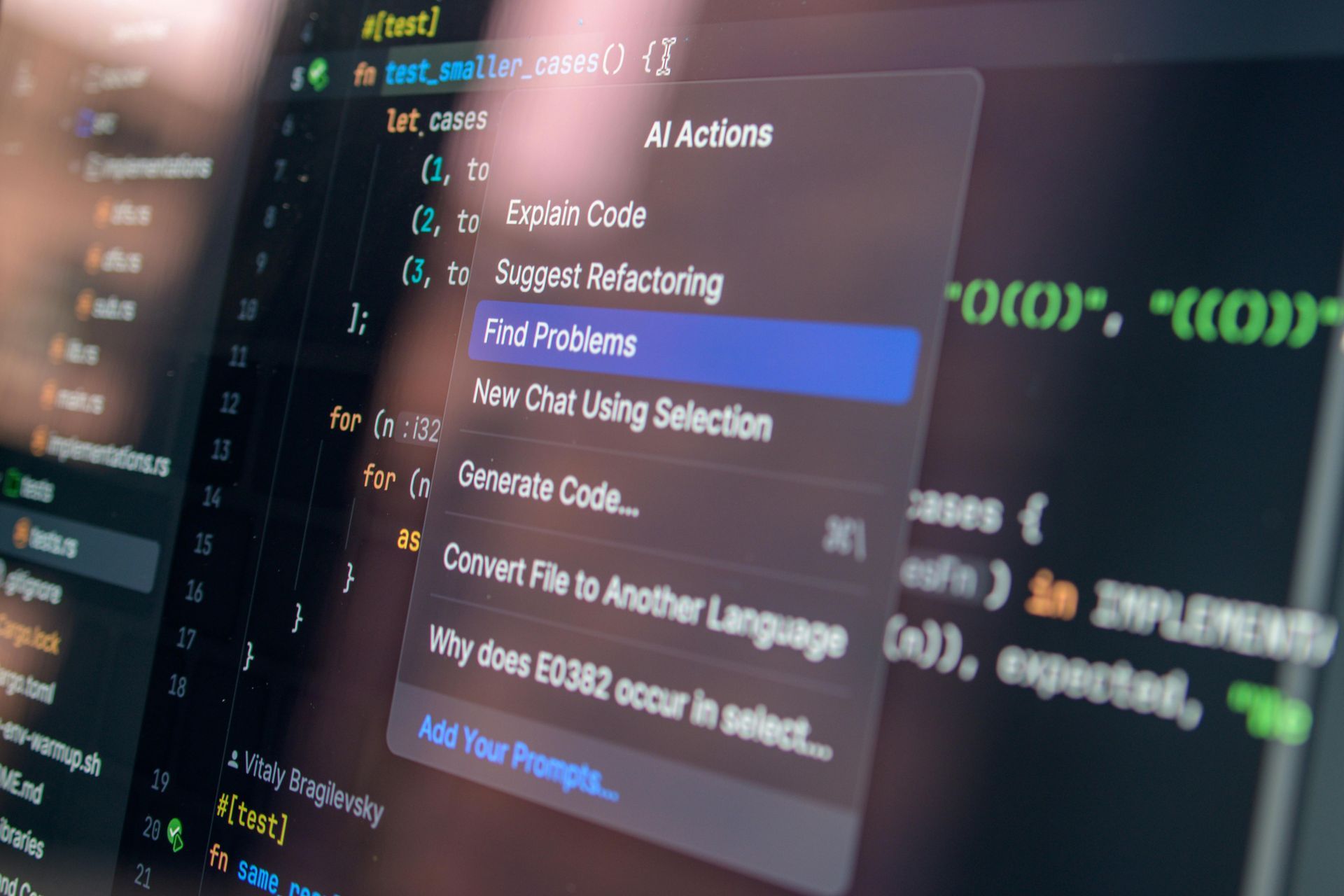
Explore what a March 2026 survey reveals about AI trust at work. The data shows that employees increasingly value AI as a practical helper for speed, drafting, summarization, and analysis, but they are not yet ready to treat it as a trusted peer. This blog unpacks the trust gap between operational usefulness and relati

Low trust does not always look like conflict. This blog breaks down six quieter signs that trust may be draining a team’s energy, from flatter participation and self-protective behavior to reliability problems, under-support, and early retention risk. Drawing from TrustBuilder’s Trust and Workplace Depression Survey wh
